Hibiscus Photo Stitch: A Designer’s Real-World Review
As an embroidery designer who has spent years digitizing and testing thousands of motifs, I approach every new machine embroidery design with a mix of curiosity and caution. We have all been there: you download a beautiful preview, load it onto your machine, and watch in horror as the intricate details turn into a bird’s nest of thread breaks and puckering. This is why I take my time evaluating new assets before committing them to client work or my own shop inventory. Recently, I had the chance to test Hibiscus, a photo stitch design rooted in vintage art aesthetics. Here is my honest breakdown of how it performs in real-world scenarios, from custom apparel to boutique home decor.
First Impressions: The Vintage Mood
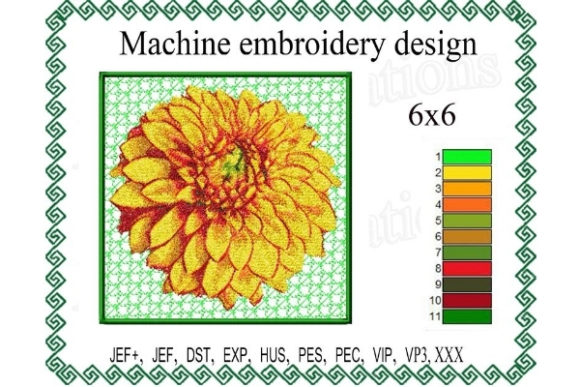
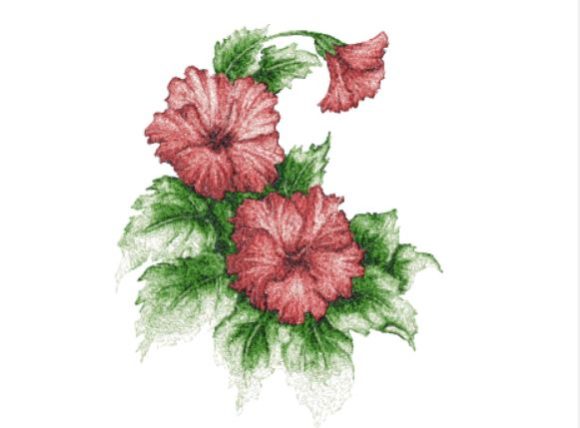
The first thing that strikes you about Hibiscus is its atmospheric quality. Unlike standard vector-based florals that rely on clean lines and solid blocks of color, this piece leans heavily into the soft, painterly feel of vintage botanical illustrations. It belongs firmly in the Single Flowers category, but it carries more visual weight than your average daisy or rose motif. The layout is organic, capturing the delicate unfurling of petals and the subtle gradients found in nature.
For designers and Etsy sellers looking to elevate their brand aesthetic, this mood is invaluable. It speaks to a customer base that values nostalgia, slow living, and artisanal quality. However, because it is a photo stitch, the complexity is high. In case you have never worked on one, they tend to always be much larger designs. Typically, when you go smaller, they lose definition. This is the critical constraint you must respect if you want a professional-looking finished product.
Real-World Application: Where It Shines
To truly understand the value of this embroidery file, I tested it in a scenario common to many small business owners: creating a high-end personalized gift. I chose a heavy-weight canvas tote bag, aiming for a look that could serve as both a functional grocery carrier and a stylish accessory for a local farmer’s market run.
On a larger hoop size, the design performed beautifully. The photo stitch technique allowed for nuanced shading that a standard fill stitch or satin stitch simply cannot replicate without hundreds of color changes. The result was a lush, textured bloom that looked almost printed yet retained the tactile appeal of thread. This makes Hibiscus an excellent candidate for:
- Sweatshirt embroidery: Placed on the back of a oversized crewneck, it creates a statement piece that feels vintage and curated.
- Pillow covers: The detailed shading adds depth to home decor items, especially on linen or cotton blends.
- Aprons and kitchen towels: For boutique branding, this adds a touch of elegance to utilitarian items.
- Wall art and hoops: Because the design is large and detailed, it works well as a standalone decorative piece framed in an embroidery hoop.
If you are a craft business owner focusing on holiday gifts or wedding favors, this design offers a sophisticated alternative to cartoonish or overly simple motifs. It signals professionalism and attention to detail, which can justify a higher price point for your handmade product.
Technical Constraints and Fabric Considerations
While the visual appeal is high, the technical demands of Hibiscus require careful planning. As noted in the product description, these photo stitch designs are typically large. Attempting to shrink this design to fit a small cap or a baby onesie bib will likely result in a loss of clarity. The fine details that make the vintage art style charming will merge into a muddy blob if the stitch density is too high for the reduced scale.
Here are specific situations where you should proceed with caution:
- Stretchy Fabrics: Photo stitches often have higher stitch counts. Using this on thin jersey knits without proper stabilization can lead to significant puckering. Always use a cut-away stabilizer for garments that will be washed frequently.
- Dark Fabrics: If you are stitching on black or navy, ensure your thread colors have enough contrast. You may need to adjust the underlay or add a white backing layer if your machine supports it, though this increases bulk.
- Curved Surfaces: While it can work on caps, the large surface area required for definition means it might wrap awkwardly around the front panel. It is better suited for flat or slightly curved areas like tote bags or pillow fronts.
- Small Hoop Sizes: Do not force this design into a 4x4 inch hoop unless you are certain the scaled-down version retains enough detail. It is best reserved for 5x7, 6x10, or larger hoops.
Enhancing Visual Appeal and Brand Value
From a branding perspective, using a high-quality design like Hibiscus impacts customer trust. When a buyer receives a personalized gift or a custom apparel item that looks crisp and professionally executed, they are more likely to leave positive reviews and return for future purchases. The intricate nature of the photo stitch suggests effort and artistry, distinguishing your small shop product from mass-produced alternatives.
For digital product sellers, offering this as part of a design assets bundle can attract hobbyists who want to try photo stitching but lack the skills to digitize it themselves. However, always clarify licensing terms. Ensure your customers know whether they can use the digital embroidery file for commercial sales or personal use only.
Practical Designer Notes for Best Results
Before you commit to stitching this on your final project, follow these practical steps to ensure success:
- Test on Scrap Fabric: Always run a test stitch on the same type of fabric you plan to use for the final item. This helps you check tension and thread breakage.
- Check Thread Color Contrast: Photo stitches rely on subtle color shifts. Use high-quality rayon or polyester threads that reflect light consistently to enhance the vintage effect.
- Review Stitch Density: If your machine struggles with dense areas, consider using a water-soluble topping to prevent the needle from punching through delicate fabrics.
- Inspect Small Details: After the test run, look closely at the petal edges. If they look jagged, you may need to adjust your tension or switch to a finer needle.
- Mockup in Black and White: Convert your design preview to grayscale to check for value contrast. If the image looks flat in black and white, it may lack depth in thread form.
- Confirm Licensing: Before selling finished items or digital products featuring Hibiscus, verify the license agreement. Some designers allow unlimited commercial use, while others restrict the number of physical items you can sell.
In conclusion, Hibiscus is a stunning addition to any designer’s library, particularly for those specializing in vintage-inspired Embroidery projects. It requires respect for its size and complexity, but when used correctly, it delivers a level of sophistication that elevates any embroidery project. Whether you are creating a unique embroidered patch, a luxurious tote bag design, or a cherished baby embroidery keepsake, this design offers the artistic depth needed to stand out in a crowded market. Just remember: let it breathe, give it space, and let the vintage art shine.